how do humans get leprosy Leprosy symptoms treatment healthsoul disease factors risk
As I was scrolling through my newsfeed yesterday, I stumbled upon a post that shook me to my core. It was about a teenager living with leprosy and the stigma associated with the disease. I had no idea that leprosy was still prevalent in this day and age and the thought of someone my age living with it was heartbreaking. The story described the challenges that this teenager faced on a daily basis, from being shunned by their community to the physical and emotional toll that the disease took on their body and mind. The photos accompanying the post showed the severity of the teenager’s condition, and it was hard to imagine how they managed to live with such a debilitating disease. Reading this post made me realize just how little I knew about leprosy. I had always thought of it as a disease of the past, something that was eradicated centuries ago. But as it turns out, leprosy still affects thousands of people around the world every year. The disease is caused by a bacterium that affects the skin, nerves, and mucous membranes, and if left untreated, it can cause serious damage to the body. But what struck me the most about this story was not the disease itself, but the stigma and discrimination that the teenager faced because of it. Leprosy has been shrouded in myth and fear for centuries, and people who are affected by it are often ostracized from their communities. They are seen as unclean and contagious, even though leprosy is actually very difficult to contract. This kind of discrimination is not only unjust but also detrimental to the health and well-being of people living with leprosy. It can lead to depression, social isolation, and a lack of access to medical care. This is why it is so important to raise awareness about leprosy and to break down the myths and misconceptions that surround it. So, what can we do to help people living with leprosy? First and foremost, we need to educate ourselves and others about the disease. We need to understand that leprosy is not a curse or a punishment, but a medical condition that can be effectively treated with antibiotics. We also need to speak out against discrimination and stigmatization of people with leprosy, and support organizations that are working to provide medical care, rehabilitation, and social support to those affected by the disease. As I sit here reflecting on this story, I can’t help but feel grateful for my own health and the privilege that comes with it. It’s easy to take for granted the things that we have, but we must never forget those who are less fortunate than us. We must use our voices and our power to make a difference in the lives of others, and to create a world where everyone is treated with dignity and respect.
If you are looking for Leprosy: How Much do you Really Know? | Ausmed you’ve visit to the right page. We have 5 Pictures about Leprosy: How Much do you Really Know? | Ausmed like Humans gave leprosy to armadillos – now they are giving it back to us, Sad Story Of A Teenager Living With Leprosy │Stigma Associated With The and also Leprosy: How Much do you Really Know? | Ausmed. Read more:
Leprosy: How Much Do You Really Know? | Ausmed
 www.ausmed.co.ukSad Story Of A Teenager Living With Leprosy │Stigma Associated With The
 www.spillednews.comleprosy does body teenager disease causes sad look contrary belief popular nerve damage lead fall parts which off make living
Leprosy: Symptoms And Treatment – Healthsoul
 healthsoul.comleprosy symptoms treatment healthsoul disease factors risk
Humans Gave Leprosy To Armadillos – Now They Are Giving It Back To Us
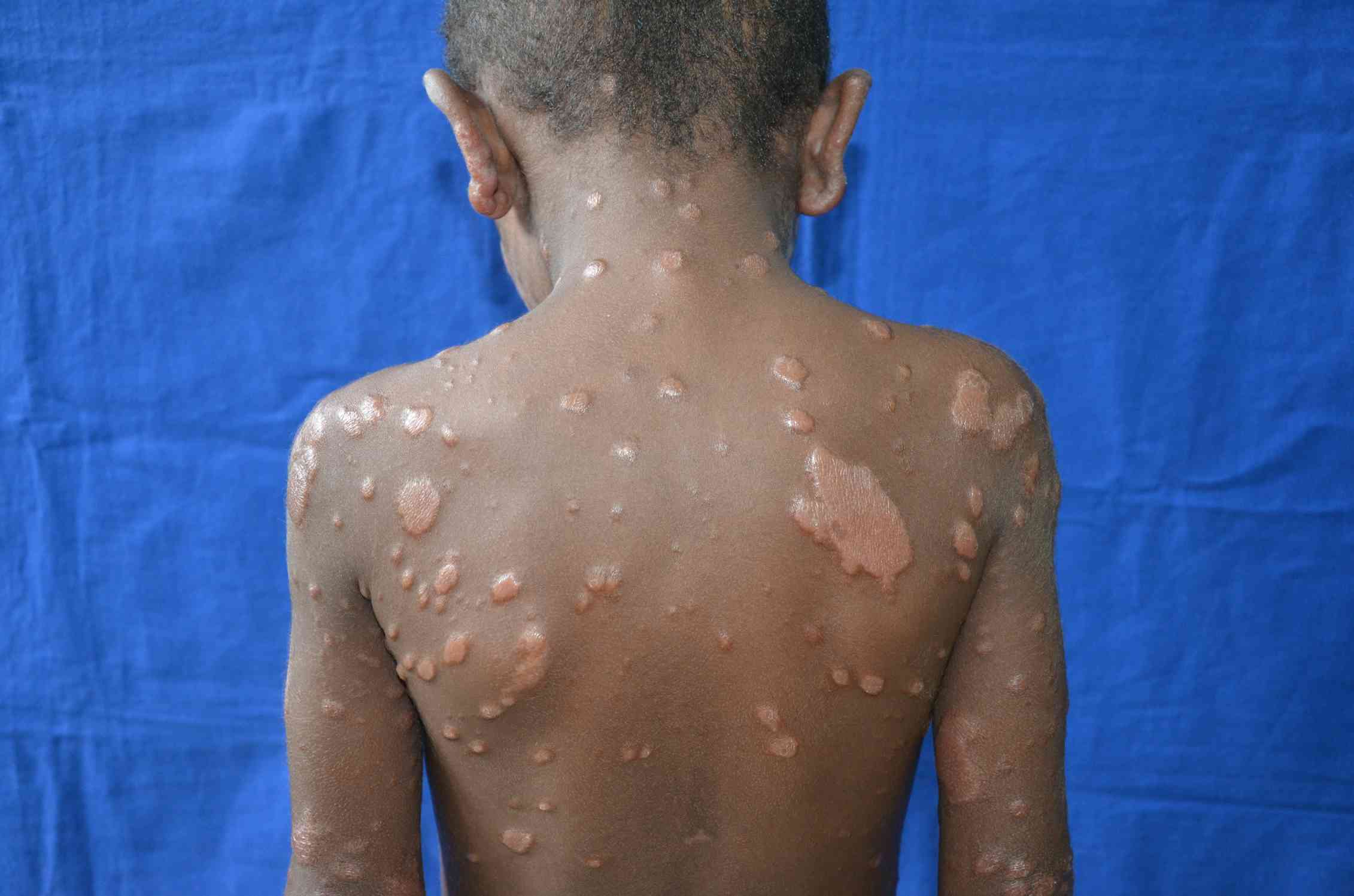 theconversation.comleprosy lesions armadillos disease brazil armadillo hansen salgado spreads
A Heartbreaking Look At Leprosy In 2017 | HuffPost
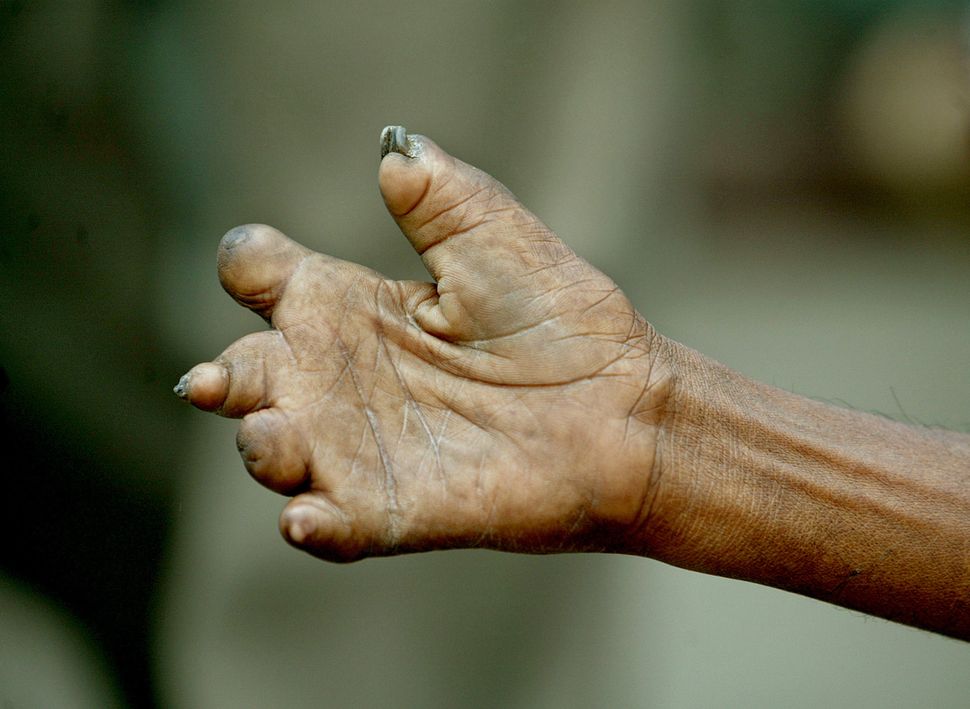 www.huffingtonpost.comleprosy disease fingers look teenager sad living story heartbreaking reuters rupak chowdhuri spread
Leprosy lesions armadillos disease brazil armadillo hansen salgado spreads. Leprosy symptoms treatment healthsoul disease factors risk. Leprosy: how much do you really know?